Featured
4 Easy Facts About Documents to Gather for Bankruptcy Cou...
Understanding Various Relief Programs You Should Know Abo...
The Buzz on How Modern Tools Makes Financial Help Better
The Real Expense of Ignoring Financial Obligation: How Expert Therapy Providers Are Altering Financial Recuperation
Table of Contents
Monetary stress and anxiety has ended up being a specifying feature of modern-day American life. With complete charge card financial debt going beyond $1.21 trillion and the ordinary cardholder owing even more than $6,500, numerous individuals locate themselves entraped in cycles of minimal settlements and worsening interest. When charge card interest prices float around 23%, also moderate equilibriums can balloon right into frustrating burdens within months.
For those sinking in financial obligation, the inquiry isn't whether to look for assistance-- it's locating the best kind of assistance that will not make matters worse.
The Expanding Demand for Financial Debt Mercy Solutions
Financial debt mercy has actually emerged as one of the most looked financial subjects online, and forever factor. The principle of clearing up financial obligations for less than the sum total owed deals authentic hope to individuals who see no sensible path to paying their equilibriums completely.
The procedure commonly functions such as this: when credit rating card accounts go unsettled for 120 days or more, creditors commonly charge off the debt. At this stage, they may accept decreased settlements to recover at least a section of what's owed. Effective settlements can decrease equilibriums by 30% to 50%, relying on the creditor and your shown monetary difficulty.
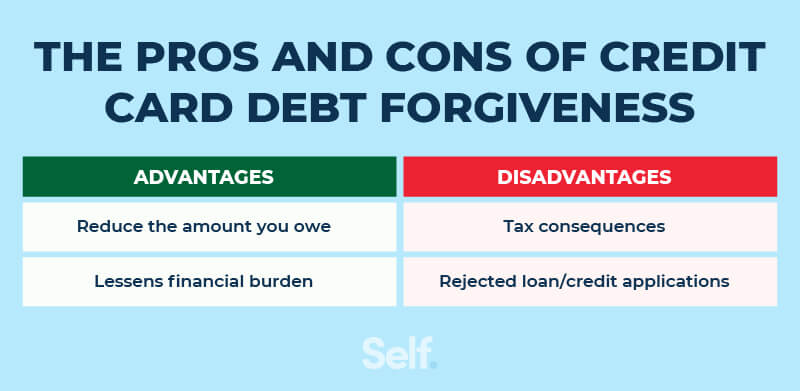
Nevertheless, financial obligation mercy isn't free cash. Cleared up accounts show up on credit score reports as "" paid less than full balance,"" which affects your score. Additionally, forgiven amounts going beyond $600 might be reported to the internal revenue service as taxed revenue. Recognizing these compromises before pursuing settlement is essential.
Bankruptcy Therapy: The Misunderstood Safety And Security Internet
Bankruptcy lugs substantial preconception, yet it continues to be a reputable lawful tool developed to provide overloaded people a genuine fresh beginning. What several people don't know is that federal legislation calls for two therapy sessions before and after filing-- and these sessions exist specifically to ensure you're making a notified choice.
Pre-bankruptcy credit report counseling entails an extensive testimonial of your income, financial debts, and costs. Certified counselors existing choices you may not have actually thought about, including debt monitoring programs or hardship arrangements. This isn't concerning dissuading personal bankruptcy; it has to do with validating it's really your best option.
Post-bankruptcy borrower education prepares you for financial success after discharge. You'll find out budgeting methods, conserving methods, and credit score restoring comes close to made to avoid future economic troubles.
Organisations like APFSC deal both required training courses, with fees around $19.99 per session unless you get approved for challenge waivers. Their certified therapists supply same-day certifications, and sessions commonly run 60 to 90 minutes. This access matters when you're already emphasized about financial resources.
Contrasting Your Debt Relief Options
Recognizing the landscape of financial obligation alleviation helps you make notified decisions. Each strategy carries distinct benefits and disadvantages.
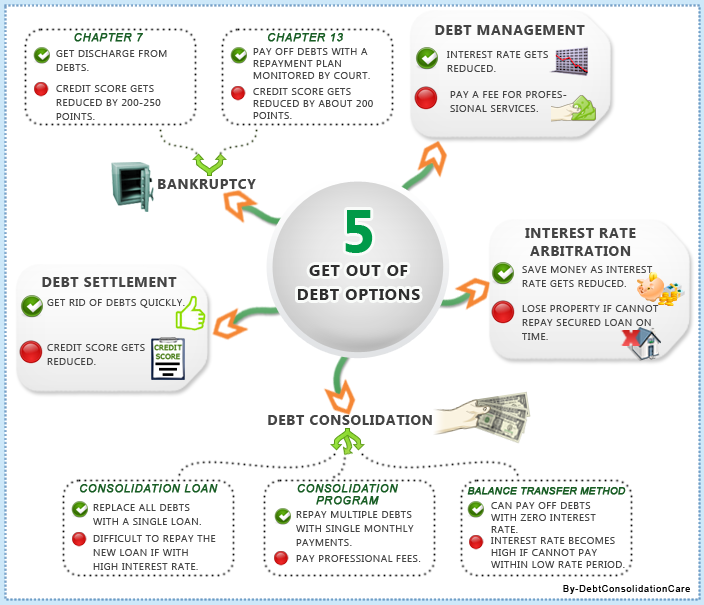
Debt Monitoring Programs settle multiple unsecured financial debts right into single monthly payments. Therapists bargain with lenders to possibly minimize rate of interest without needing brand-new car loans. The majority of customers full these programs within 3 to five years. The primary advantage is paying debts in complete while lowering complete rate of interest paid.
Financial obligation Negotiation discusses minimized payback quantities, usually 30% to 50% less than owed. This technique needs stopping repayments to lenders while building up negotiation funds, which damages credit history during the procedure. Outcomes differ based on financial institution desire and your demonstrated hardship.
Insolvency offers court defense while removing or restructuring financial debts. Chapter 7 sells off specific possessions to release unsafe debts rapidly. Phase 13 establishes three-to-five-year repayment prepare for those with regular revenue. Bankruptcy continues to be on credit scores records for seven to 10 years yet offers the most extensive new beginning.
Debt Therapy supplies education and learning and assistance without always registering in formal programs. Certified therapists evaluate your total financial picture and advise suitable next steps, which may consist of any one of the above options.
/images/2025/11/17/how_does_debt_settlement_work_.png)
What Sets Nonprofit Therapy Apart
The distinction between nonprofit and for-profit financial debt relief companies matters enormously. Nonprofit firms like those certified by the National Structure for Debt Therapy (NFCC) operate under rigorous moral guidelines and cost laws. Their therapists go through strenuous qualification and needs to recertify every two years.
For-profit financial debt negotiation companies, conversely, might charge fees ranging from 15% to 25% of enlisted financial debt balances. Some use hostile sales techniques and make unrealistic guarantees about results. The Consumer Financial Protection Bureau has recorded many problems about aggressive practices in this market.
APFSC operates as a not-for-profit counseling company, offering totally free financial obligation management assessments and managed costs for recurring services. Their HUD-approved real estate therapists include worth for those dealing with repossession alongside general debt issues. Providers are offered in English, Spanish, and Portuguese, expanding availability to underserved neighborhoods.
Study supports the performance of not-for-profit counseling. A research appointed by the NFCC located that credit report therapy clients reduced revolving financial obligation by $3,600 greater than contrast groups throughout the 18 months following their sessions. Virtually 70% of individuals reported better finance and better economic self-confidence.
Indication of Predatory Financial Debt Alleviation Provider
Not all financial debt alleviation firms have your ideal passions at heart. Identifying warnings protects you from making a challenging scenario worse.
Beware of firms that ensure specific outcomes. No legit service can guarantee exact settlement percentages or timeline guarantees since end results depend on specific creditors and conditions.
Avoid any firm demanding large upfront fees before supplying services. Genuine not-for-profit counseling provides free first assessments, and for-profit negotiation companies are legally prohibited from gathering costs until they efficiently clear up at the very least one debt.
Question anyone advising you to stop communicating with financial institutions completely without describing the repercussions. While strategic interaction stops briefly occasionally sustain negotiations, complete avoidance can lead to suits, wage garnishment, and additional damages.
Genuine companies discuss all choices honestly, consisting of options that might not include their paid services. If a company presses just one remedy no matter your circumstance, look for guidance in other places.
Taking the Initial Action Towards Recovery
Financial recuperation begins with honest assessment. Collect your latest declarations for all financial obligations, compute your overall responsibilities, and review your reasonable monthly payment capability. This info creates the structure for any type of effective therapy session.
Take into consideration scheduling complimentary consultations with multiple not-for-profit agencies before committing to any program. Contrast their recommendations, cost frameworks, and interaction styles. The appropriate counseling connection ought to really feel helpful instead of pressuring.
Organisations like APFSC supply online chat, phone examinations, and extensive intake processes designed to recognize your one-of-a-kind scenario before recommending options. Their financial obligation management calculator helps you think of possible timelines and savings before enlisting.
The Course Ahead
Overwhelming financial obligation does not define your future-- yet overlooking it will. Whether financial debt forgiveness, insolvency therapy, or organized financial obligation monitoring makes good sense for your circumstance depends upon elements one-of-a-kind to your conditions.
Expert support from accredited not-for-profit counselors lights up choices you may never find independently. These solutions exist particularly to help individuals like you navigate intricate monetary difficulties without aggressive charges or impractical assurances.
The typical American dealing with financial debt waits much also long prior to seeking help, permitting rate of interest to compound and choices to narrow. On a monthly basis of delay costs money and expands your recuperation timeline.
Housing Counseling for Roommates and Shared Households: Avoiding Conflict and EvictionYour very first conversation with a qualified counselor prices absolutely nothing but can transform everything. Financial freedom isn't booked for the fortunate-- it's available to any individual ready to take that first step toward recognizing their options and devoting to a sensible plan.

Table of Contents
Latest Posts

4 Easy Facts About Documents to Gather for Bankruptcy Counseling Shown
Understanding Various Relief Programs You Should Know About for Beginners
Emerging Laws Impacting Debt Relief Options Fundamentals Explained
More
Latest Posts
4 Easy Facts About Documents to Gather for Bankruptcy Counseling Shown
Understanding Various Relief Programs You Should Know About for Beginners
Emerging Laws Impacting Debt Relief Options Fundamentals Explained